AI-Driven Performance Management: The Future of Employee Development
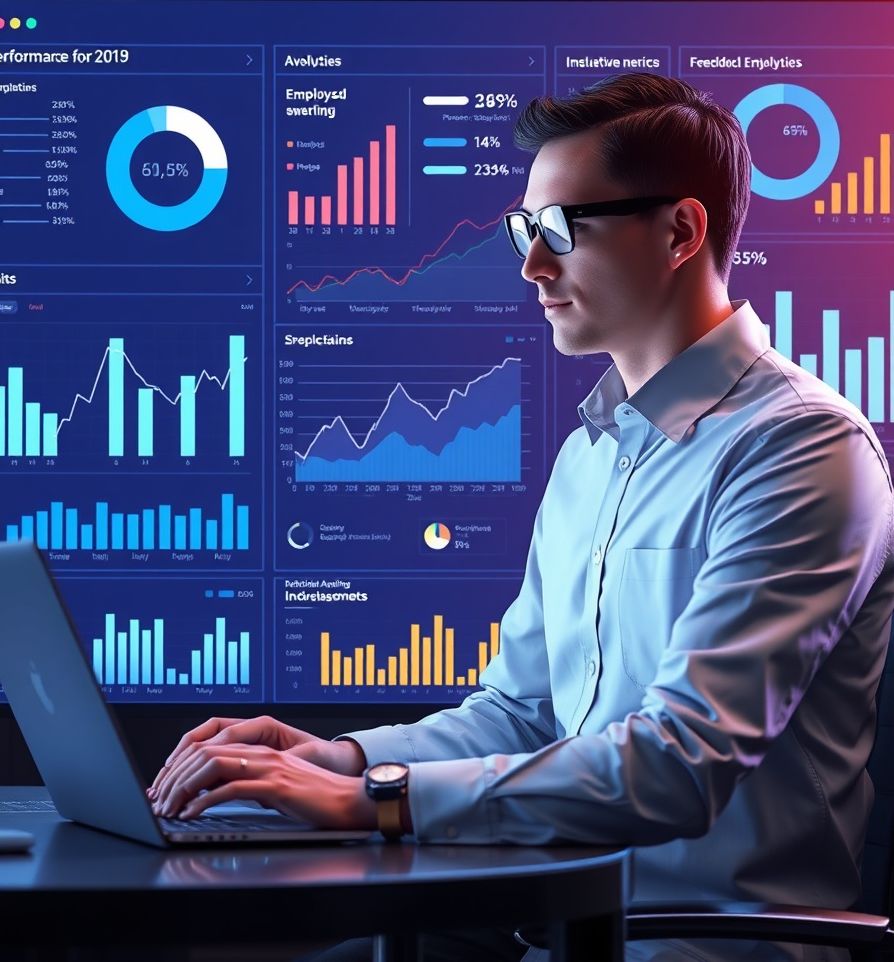
Traditional performance management systems often fail to provide meaningful insights for employee development. With annual reviews becoming increasingly inadequate in today's fast-paced work environment, organizations are turning to AI-driven approaches that leverage data to create personalized development plans, predict performance trends, and foster continuous growth.
The Limitations of Traditional Performance Management
Traditional performance management systems suffer from several critical limitations:
- Infrequent feedback that fails to address real-time performance issues
- Recency bias where recent events overshadow overall performance
- Subjectivity in evaluations leading to inconsistent ratings
- Lack of actionable insights for meaningful development
- Time-consuming processes that burden managers and HR teams
Key AI Applications in Performance Management
Predictive Performance Analytics
AI algorithms analyze historical performance data, project outcomes, peer feedback, and skill development patterns to predict future performance and identify high-potential employees before traditional methods can.
Personalized Development Plans
Machine learning creates customized development paths based on individual strengths, weaknesses, career aspirations, and organizational needs. These dynamic plans evolve as employees grow and organizational priorities shift.
Bias Detection and Mitigation
AI systems identify and flag potential biases in performance evaluations, ensuring fair and objective assessment across the organization. This includes detecting patterns of gender, racial, or affinity bias in ratings and feedback.
Sentiment Analysis
Natural language processing analyzes feedback, communications, and survey responses to gauge employee sentiment, engagement levels, and potential retention risks in real-time.
Skill Gap Analysis
AI continuously assesses current skills against future requirements, identifying skill gaps at individual, team, and organizational levels to inform targeted training and development initiatives.
Continuous Feedback Systems
AI-powered platforms facilitate real-time feedback collection and analysis, moving beyond the limitations of annual reviews to provide ongoing developmental insights.
Case Study: Global Tech Company Implements AI Performance Management
"After implementing AI-driven performance management, we saw a 45% increase in employee satisfaction with feedback processes. Our managers reported spending 60% less time on administrative performance tasks while providing more meaningful development guidance. The AI system helped us identify 28% more high-potential employees than our previous manual process."
— Maria Gonzalez, Chief People Officer
Ready to Transform Your Performance Management?
Discover how AI-driven insights can revolutionize your employee development strategies and drive organizational success.
Schedule AI DemoImplementation Roadmap for AI Performance Management
Data Foundation and Integration
Ensure clean, organized performance data from multiple sources including HRIS, project management tools, and communication platforms. Establish data governance policies and ensure compliance with privacy regulations.
Tool Selection and Customization
Choose AI solutions that align with your organizational culture and specific performance management needs. Customize algorithms to reflect your unique evaluation criteria and development priorities.
Change Management and Training
Prepare managers and employees for new AI-enhanced processes. Address concerns about transparency, privacy, and the role of human judgment in AI-assisted evaluations.
Pilot Program and Testing
Test the AI system with a small, representative group before organization-wide rollout. Gather feedback, refine processes, and demonstrate early wins to build momentum.
Full Implementation and Integration
Roll out the system across the organization with comprehensive support and clear communication about benefits, processes, and expectations.
Continuous Improvement and Optimization
Regularly assess system performance, gather user feedback, and make improvements. Update algorithms as organizational needs evolve and new best practices emerge.
Ethical Considerations and Best Practices
While AI offers tremendous benefits, it's crucial to address ethical concerns and establish guardrails:
- Transparency: Clearly communicate how AI makes recommendations and decisions
- Human Oversight: Maintain human review of AI-driven performance assessments
- Bias Auditing: Regularly test algorithms for unintended biases and discrimination
- Data Privacy: Implement robust data protection and privacy safeguards
- Employee Consent: Obtain clear consent for data collection and usage
- Explainability: Ensure AI recommendations can be explained in human-understandable terms
Measuring Success and ROI
Track these key metrics to evaluate the effectiveness of your AI performance management system:
- Employee engagement scores and satisfaction with feedback processes
- Time-to-productivity for new hires and internal transfers
- Internal mobility rates and promotion velocity
- Voluntary turnover rates among high performers
- Manager effectiveness scores in development conversations
- Skill development velocity and competency improvements
- Business performance metrics correlated with team development
The Future of AI in Performance Management
As AI technology continues to evolve, we can expect several exciting developments:
- Predictive career pathing that anticipates future role requirements and prepares employees accordingly
- Emotional intelligence analytics that assess and develop soft skills at scale
- Real-time performance coaching through AI-powered virtual assistants
- Cross-organizational benchmarking against industry performance standards
- Integration with learning ecosystems for seamless skill development
- Advanced natural language processing for deeper sentiment and context analysis
Conclusion
AI-driven performance management represents the future of employee development, offering unprecedented opportunities for personalized growth, objective assessment, and strategic talent development. By leveraging data and intelligent algorithms, organizations can create more effective, fair, and engaging performance systems that drive both individual and organizational success.
The transition to AI-enhanced performance management requires careful planning, ethical consideration, and ongoing refinement. However, the benefits—including more meaningful development conversations, reduced administrative burden, and improved talent outcomes—make this transformation essential for organizations seeking to thrive in the modern workplace.
As you embark on this journey, remember that AI should augment human judgment, not replace it. The most successful implementations combine the scalability and objectivity of AI with the empathy, context, and wisdom of human managers to create performance management systems that truly develop people and drive business results.